
Data Centre Filtration: The Engineering Foundation of Reliable Digital Infrastructure
By FiltraCore Asia — Technical Insights SeriesData Centre Filtration and the Physical Reality of Digital Infrastructure
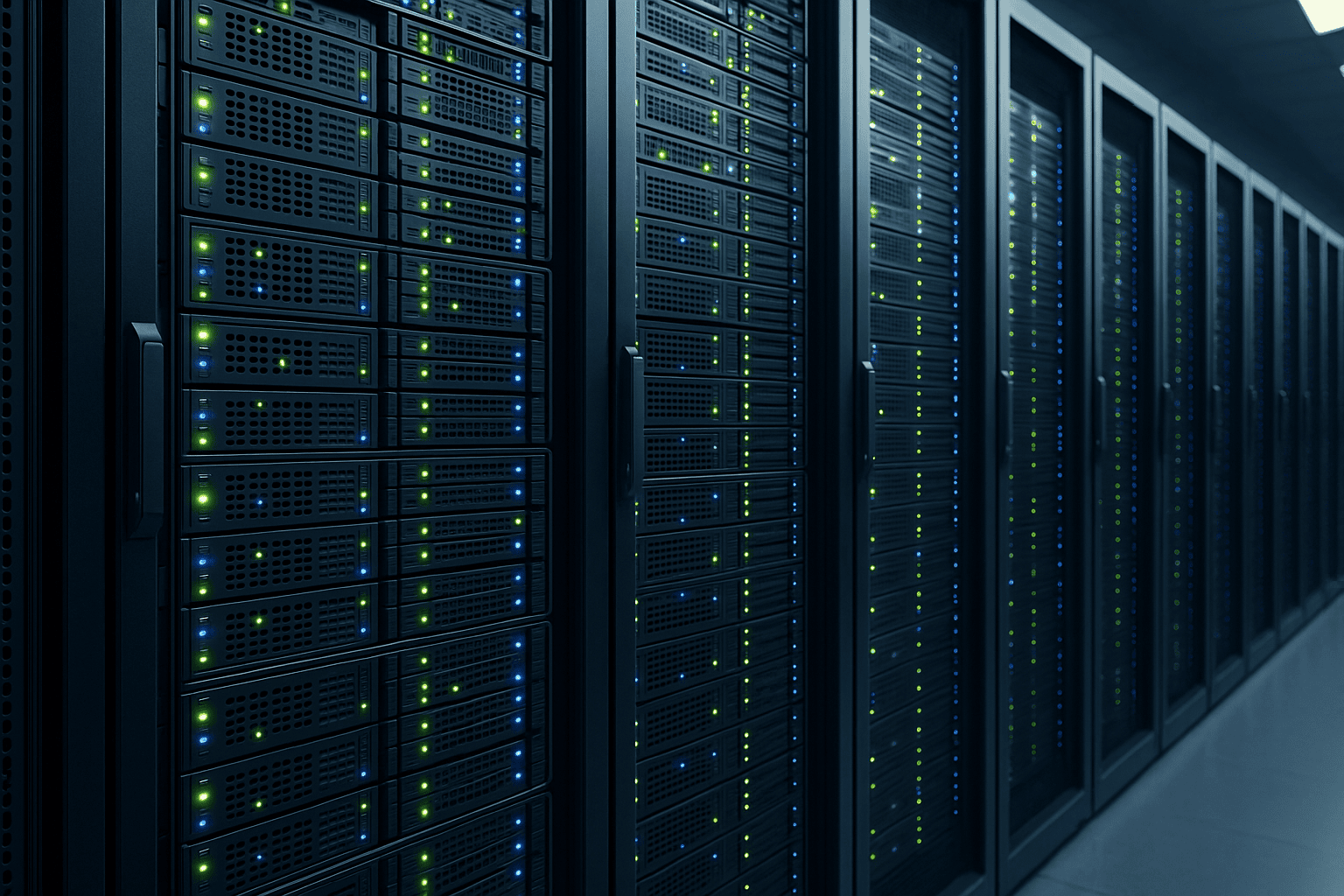
Data centre filtration is a core engineering requirement that underpins the reliability of modern digital infrastructure. While data centres are often described in terms of cloud computing, artificial intelligence, and cybersecurity, their operational stability depends on something far more fundamental: the ability to control air quality and fluid cleanliness in a continuous, high-load environment.
Every data centre operates as a tightly controlled mechanical system. Servers generate constant heat, cooling systems run without interruption, and airflow and liquid circulation must remain stable at all times. Contaminants introduced into these systems—whether airborne particulates or suspended solids in cooling water—directly threaten uptime, energy efficiency, and equipment longevity. Data centre filtration is therefore not an optimisation feature; it is a prerequisite for sustained operation.
What a Data Centre Is from an Engineering Perspective
From an engineering standpoint, a data centre is a thermal-management facility as much as it is a computing facility. Inside data halls, densely packed server racks draw large volumes of conditioned air to remove heat generated by processors, power supplies, and networking equipment. Heat is rejected through HVAC systems, chilled-water loops, cooling towers, or increasingly through liquid-based cooling technologies.
These systems operate continuously, often close to design limits. Even small deviations in airflow balance, humidity, or cleanliness can propagate rapidly through the facility. Dust accumulation on heat sinks reduces thermal transfer efficiency. Fine particulates clog fans and coils, increasing pressure drop and energy consumption. Airborne salts and moisture accelerate corrosion on connectors and printed circuit boards. Without effective data centre filtration, these risks compound over time.
Why Data Centre Filtration Is a Reliability Requirement
Data centre filtration directly influences system availability and asset protection. Contaminants entering the data hall increase mechanical stress on cooling equipment and disrupt designed airflow paths. As filters load prematurely or coils foul, cooling systems must work harder to maintain temperature setpoints. This leads to higher fan speeds, increased power draw, and elevated operating temperatures—conditions that shorten component lifespan and raise the risk of unplanned outages.
Modern facilities therefore rely on staged air filtration architectures. Pre-filters capture coarse dust and fibres before they reach cooling units. Intermediate and fine filters remove smaller particulates that would otherwise accumulate on electronic components. In critical zones, higher-efficiency filtration protects sensitive equipment where even microscopic contamination can affect reliability.
This staged approach allows data centre filtration systems to maintain predictable airflow characteristics while controlling particulate ingress over long service intervals.
Data Centre Filtration in Cooling and Utility Water Systems
Data centre filtration is equally important in liquid cooling systems. Most facilities rely on chilled-water or cooling-tower loops to transfer heat away from data halls. These closed or semi-closed circuits accumulate suspended solids over time, including corrosion by-products, scale, silt, and biological matter introduced through make-up water.
Side-stream liquid filtration continuously removes these contaminants, protecting pumps, valves, heat exchangers, and plate coolers. Without filtration, fouling reduces heat-transfer efficiency, increases pressure drop, and forces cooling equipment to operate outside optimal conditions. The result is higher energy consumption and reduced system reliability.
As data centres adopt higher rack densities and explore immersion cooling, fluid cleanliness becomes even more critical. Dielectric fluids used in immersion systems require fine-micron filtration to maintain thermal conductivity and avoid localised overheating. In these applications, data centre filtration is essential to preserve both cooling performance and equipment safety.
Environmental Challenges for Data Centre Filtration in Tropical Regions
Data centres located in tropical and coastal environments face additional filtration challenges. High humidity increases the risk of condensation and corrosion. Salt-laden air accelerates degradation of coils, fasteners, and electrical contacts. Urban construction activity introduces fine particulate contamination during facility expansion or retrofit works.
In regions such as Southeast Asia, these factors make robust data centre filtration strategies mandatory. Filtration systems must perform reliably under high humidity, continuous operation, and elevated contaminant loads. Selecting inappropriate filter media, housings, or airflow configurations can quickly lead to performance degradation and increased maintenance burden.
Filtration Technologies Used in Data Centres
Effective data centre filtration combines multiple filtration technologies across air and liquid systems. Air filtration typically employs pleated panel filters, pocket filters, and high-efficiency final filters selected to balance particle capture with low pressure drop. These systems support stable airflow while protecting sensitive electronic equipment.
Liquid filtration systems use filter bags, depth cartridges, pleated cartridges, and strainers depending on solids loading and purity requirements. High-flow filtration is often required to support large cooling loops without introducing excessive pressure loss. Housing integrity, sealing performance, and chemical compatibility are critical to ensure predictable operation under continuous duty.
How FiltraCore Asia Supports Data Centre Filtration
FiltraCore Asia delivers engineered filtration solutions designed for the operational realities of data centres. Across air, liquid, and auxiliary systems, FiltraCore products support continuous operation while maintaining consistent performance.
The AFX™ Series provides staged air filtration for data halls and HVAC systems, helping facilities manage particulate ingress while maintaining airflow efficiency. The LFX™ Series supports liquid filtration in chilled-water loops, cooling-tower circuits, and utility systems, removing suspended solids that compromise heat-transfer efficiency. These filtration elements are installed within HFX™ stainless steel filter housings, engineered for pressure integrity, secure sealing, and long-term durability.
Accessories such as floor air diffusers further support controlled airflow distribution in raised-floor environments, ensuring that conditioned air reaches server intakes efficiently without turbulence or bypass.
Why Data Centre Filtration Determines Long-Term Performance
When data centre filtration is properly engineered, facilities experience measurable improvements in reliability and efficiency. Clean air supports stable thermal management and reduces mechanical wear. Clean cooling fluids preserve heat-exchange efficiency and reduce maintenance frequency. Together, these outcomes extend equipment life, stabilise operating conditions, and protect uptime.
As digital infrastructure continues to scale in density and complexity, filtration will remain a foundational system rather than a peripheral one. Facilities that prioritise data centre filtration gain resilience, energy predictability, and long-term cost control.
Conclusion: Data Centre Filtration as Critical Infrastructure
Data centres may process digital information, but they remain governed by physical laws. Airflow, fluid dynamics, and material integrity ultimately determine whether systems operate reliably. Data centre filtration bridges the gap between computing performance and mechanical reality by controlling contamination at every stage.
By delivering engineered air and liquid filtration solutions, FiltraCore Asia supports data centres in maintaining reliability, efficiency, and operational continuity. In doing so, filtration quietly sustains the digital economy—through clean air, clean fluids, and controlled environments that never stop working.
The growing dependence of data centres on water-based cooling has also drawn increasing attention from engineers, regulators, and infrastructure planners. As highlighted in a recent feature published by the American Society of Civil Engineers (ASCE), modern data centres often require substantial volumes of water to maintain thermal stability, particularly as rack densities increase and cooling demands intensify. The article examines how cooling design choices, water availability, and sustainability considerations are becoming critical engineering factors in data centre development and long-term operation.